
Thailand’s ongoing crackdown on illegal foreign business ownership has reached an unprecedented scale, with authorities initiating tens of thousands of investigations nationwide.
According to a July 4 report from the Thai Examiner, officials have launched more than 14,800 tax probes and 17,556 land investigations targeting suspected foreign nominee companies. This massive sweep is accompanied by thousands of active police cases, signaling a zero-tolerance approach to foreigners using Thai citizens as proxy shareholders to bypass foreign ownership restrictions.
The enforcement is highly visible in the tourism and property sectors. Nation Thailand reports that 33 tourism-related firms have been officially flagged across five provinces. Meanwhile, The Phuket News notes that a localized nominee probe on the island has recently expanded to include 200 additional companies.
Labor enforcement is also tightening alongside corporate scrutiny. On July 2, officials in Chon Buri arrested 16 foreign nationals for allegedly working in occupations strictly reserved for Thai citizens, according to The Thaiger.
What this means for you
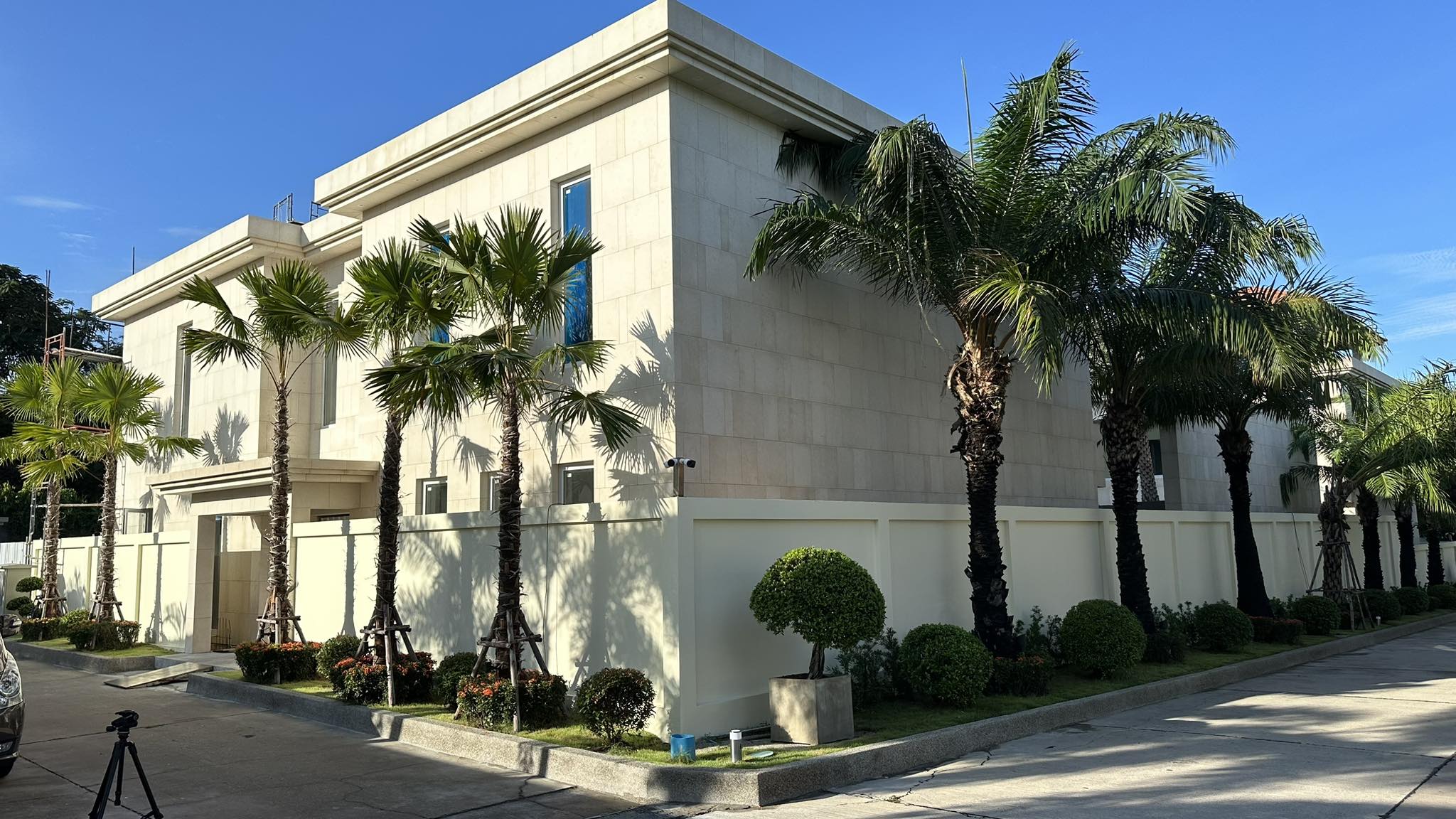
If you operate a business in Thailand or hold property through a Thai limited company, the risk of an audit is currently very high. Authorities are actively looking for "nominee" structures—where Thai shareholders hold a majority stake on paper but lack the financial means to have genuinely invested in the company.
To protect yourself and your assets, take the following steps:
- Audit your shareholder structure: Ensure all Thai partners in your company are legitimate investors with a verifiable paper trail of their financial contributions.
- Review your property holdings: If you purchased a villa or land through a Thai corporate structure, ensure the company is actively trading, filing legitimate annual tax returns, and not merely acting as a dormant holding shell.
- Check your work permit: Ensure your daily activities strictly match the job description on your work permit. Avoid performing any tasks listed under Thailand's prohibited occupations for foreigners.
With authorities blaming nominee structures for poor economic growth, this enforcement wave is likely to persist. Expats relying on gray-area corporate setups should consult a qualified Thai corporate lawyer to regularize their business structures.
Join the conversation
Be the first to comment — real questions from people navigating the same rules. Comments are moderated.