Thailand ends 60-day visa exemption, returning to 30-day entry stamps on September 15
The 22-month tourism stimulus has officially ended, meaning tourists and border-runners will now receive 30 days upon arrival and must adjust their extension plans.
Starting September 15, 2026, visa-exempt arrivals receive 30 days instead of 60 days.
Indian nationals lose visa-free entry and must now use the Visa on Arrival system.
DTV applicants must now physically be in the country where they submit their embassy or consulate application.
Thailand has officially rolled back its 60-day visa exemption, returning to the standard 30-day entry stamp for arriving tourists and expats. The change took effect on September 15, 2026, following four Ministry of Interior announcements published in the Royal Gazette.
The 60-day exemption, originally introduced as a tourism stimulus in July 2024, ran for 22 months before the Cabinet voted to end the measure, according to Thai Visa Services.
What this means for your next arrival
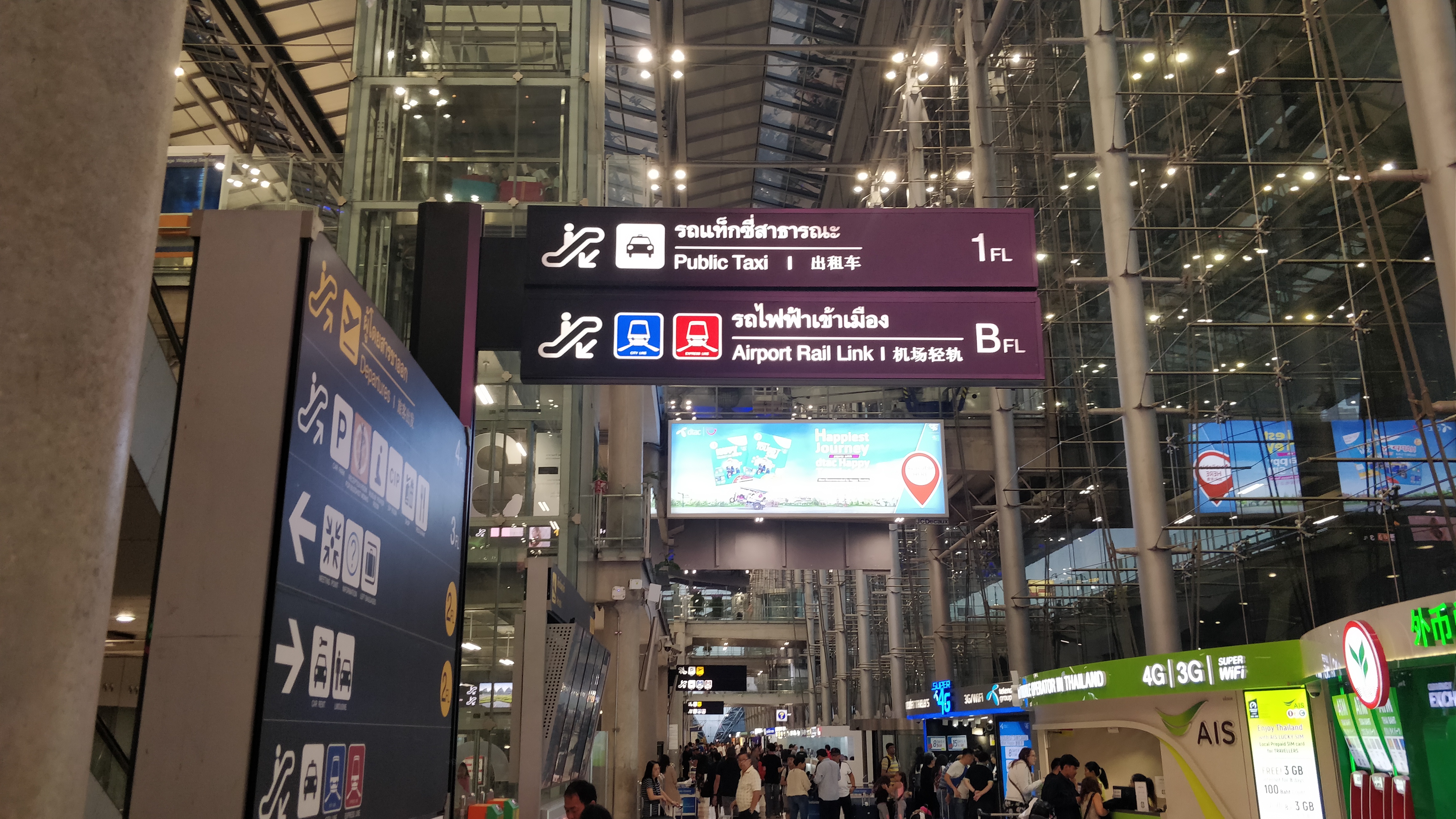
IllustrationAI illustration (gemini-3-pro-image)
If you rely on visa-exempt entries to visit or stay in Thailand, your timeline has just been cut in half. Here is how the rollback affects your travel plans:
Shorter initial stays: Travelers from eligible countries will now receive a 30-day stamp at immigration, rather than 60 days.
Extensions: You can still extend this 30-day exemption once at a local immigration office for an additional 30 days, giving you a maximum of 60 days per entry.
Indian nationals: According to press reports cited by Thai Visa Services, India has lost its visa-free entry privileges entirely and will revert to the Visa on Arrival system.
DTV application rules tighten
In a separate but equally important update for remote workers, the Destination Thailand Visa (DTV) has seen a significant procedural change. Effective August 31, 2026, applicants must apply through a Thai embassy or consulate in a country where they are currently located.
This closes a loophole that previously allowed applicants to process their DTV paperwork through embassies in countries they were not physically present in. If you are planning a visa run to secure a DTV, you must ensure you are physically in the country where the processing embassy is located.
For expats living in Thailand long-term, these combined changes signal a broader tightening of the immigration landscape as the government shifts its focus from post-pandemic tourism promotion to stricter border management.
Why it matters
Expats relying on border runs will need to double their travel frequency, and prospective DTV holders must carefully plan the location of their application.
How we cover this: we monitor official Thai government sources and Thai & English press, cross-check every claim, and link the originals. Updated as it happens.
Never miss an urgent change
We watch Thai immigration, tax, property and law so you don't have to. Get the alerts that affect you, straight to your inbox.
#Visa Exemption#DTV Visa#Immigration#Thailand Visas
Sources
Every claim above traces to these. We link the originals so you can verify.

Join the conversation
Be the first to comment — real questions from people navigating the same rules. Comments are moderated.