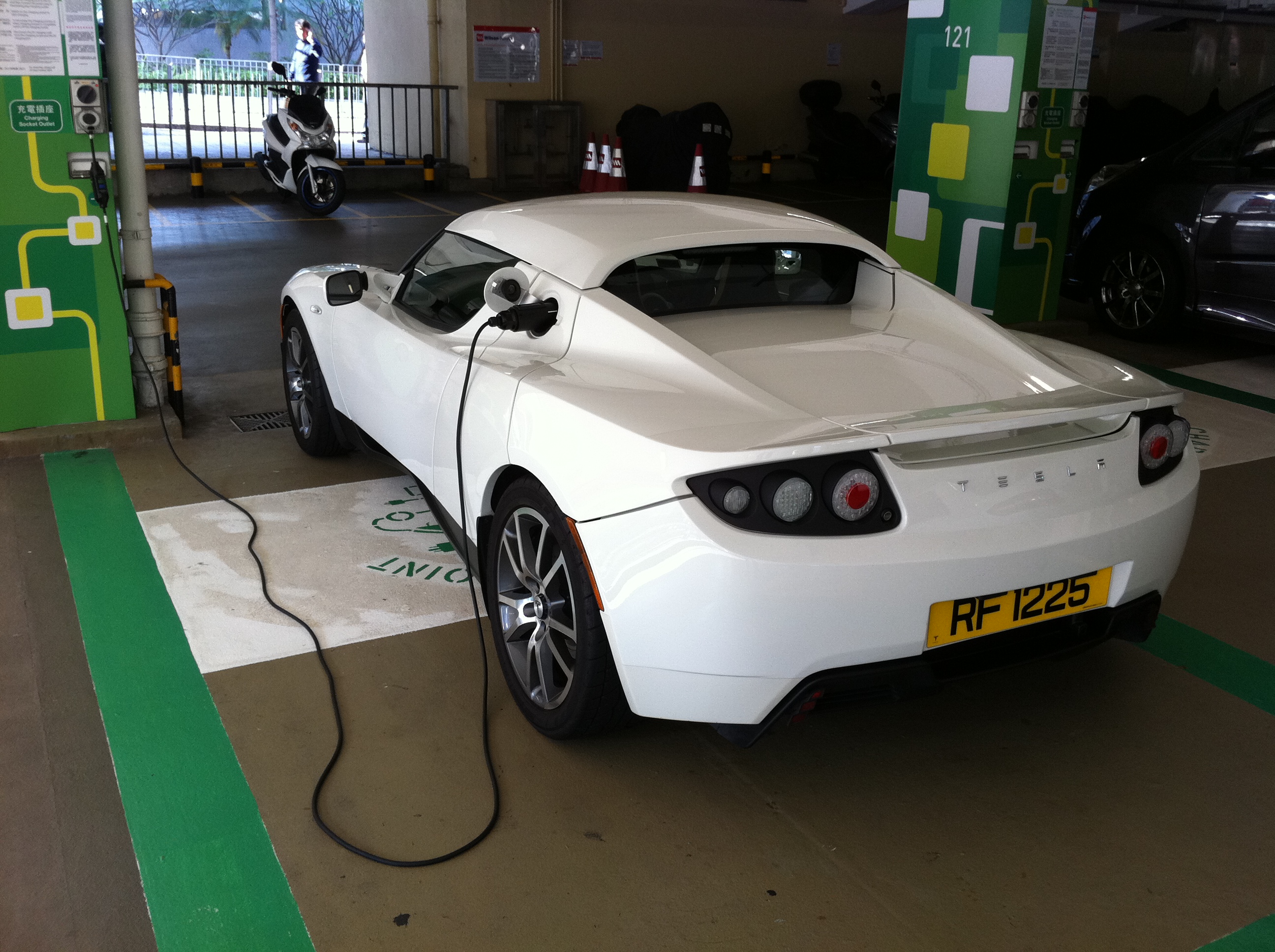
The Thai government has greenlit a complete overhaul of electric vehicle (EV) taxes. According to recent Thai-language reports, the Ministry of Finance and the Excise Department are preparing to announce the new rates within the next one to two weeks.
The restructuring follows a formal acknowledgment by the Cabinet. According to Thansettakij (in Thai), the Excise Department is poised to adjust excise taxes on imported EVs to their maximum levels. Prachachat Turakij (in Thai) notes that the impending announcement is intended to create fair competition within the automotive market.
What this means for you
If you are an expat living in Thailand and considering purchasing an electric vehicle, the pricing landscape is about to shift. While the exact tax brackets are not yet published, the language surrounding "maximum levels" for imported vehicles suggests that fully imported EVs could soon become noticeably more expensive.
Here is what you should consider over the next fortnight:
- Delay major purchases: If you are currently shopping for an imported EV, it may be wise to wait for the official rates to be published to understand the final on-the-road cost.
- Evaluate local options: The government's push for "fair competition" typically signals an effort to protect domestic manufacturing. Locally assembled EVs might soon carry a distinct price advantage over imported models.
- Watch for the official rollout: The Ministry of Finance is expected to release the finalized excise tax rates by late October 2026.
Join the conversation
Be the first to comment — real questions from people navigating the same rules. Comments are moderated.