Land Department blocks foreign ownership quota increase in upcoming Bangkok city plan
Foreign buyers hoping for expanded property rights will face the same restrictions after officials rejected proposals to raise ownership caps in the capital's new zoning overhaul.
The Land Department rejected proposals to raise the foreign ownership quota for properties in Bangkok.
Current caps on foreign freehold ownership in condominium buildings will remain in place.
The new Bangkok M4 city plan, taking effect in mid-2027, will instead focus on increasing development density along mass transit lines.
The Thai Land Department has officially rejected proposals to increase foreign property ownership quotas and reduce minimum house sizes in the upcoming Bangkok city plan.
According to Prachachat Turakij (in Thai), the department halted the proposed changes over concerns regarding housing standards and national security. The new city plan, known as M4, is scheduled to take effect in mid-2027.
What this means for foreign buyers
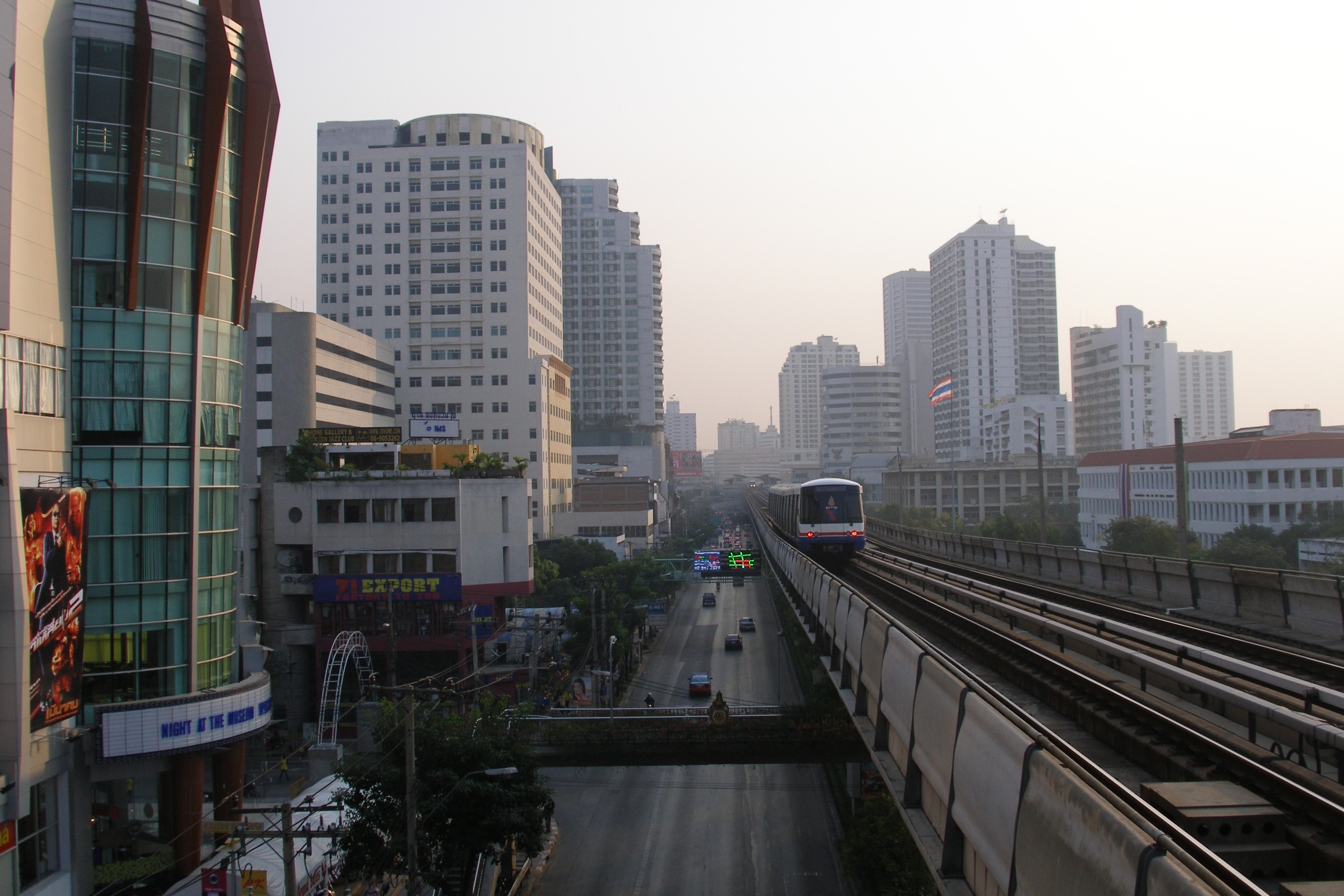
IllustrationAI illustration (gemini-3-pro-image)
There had been ongoing industry lobbying to increase foreign ownership caps to stimulate the real estate market. Because the Land Department has blocked the proposal, the status quo remains:
The existing quota capping foreign freehold ownership in a condominium building remains strictly in place.
Restrictions on foreign ownership of landed property, such as houses and villas, are unchanged.
Minimum house sizes will not be reduced, maintaining current entry price points for residential developments.
Foreigners looking to buy property in the capital will need to continue navigating the current legal frameworks and quota limits when the new city plan rolls out.
Higher density along transit lines
While foreign ownership rules remain static, the broader Bangkok M4 city plan will significantly alter the capital's landscape.
The Bangkok Metropolitan Administration is adjusting zoning to unlock development potential and accommodate higher population density, according to Thansettakij (in Thai). A key focus of the overhaul is increasing land-use density along mass transit lines.
For expats living in or relocating to Bangkok, this signals a coming surge in new high-density condominium projects near BTS and MRT stations over the next few years, even if the foreign ownership ratio within those specific buildings stays exactly the same.
Why it matters
Expats waiting for relaxed property ownership rules before investing in Bangkok real estate will need to navigate the existing condo quotas and landed property restrictions.
How we cover this: we monitor official Thai government sources and Thai & English press, cross-check every claim, and link the originals. Updated as it happens.
Never miss an urgent change
We watch Thai immigration, tax, property and law so you don't have to. Get the alerts that affect you, straight to your inbox.
#Property#Real Estate#Bangkok#Expat Living
Sources
Every claim above traces to these. We link the originals so you can verify.

Join the conversation
Be the first to comment — real questions from people navigating the same rules. Comments are moderated.