Following our previous report on British tourist Oliver Hardy's 16-month prison sentence, new details have emerged regarding the harsh reality of his incarceration and the specific mechanics of the visa scam that led to his conviction.
According to a recent report by the Thai Examiner, Hardy's "dream Thailand stay became a 16-month prison nightmare." The publication highlighted the severe conditions of the Bangkok facilities where he was held for a year and a half, describing them as "hell holes."
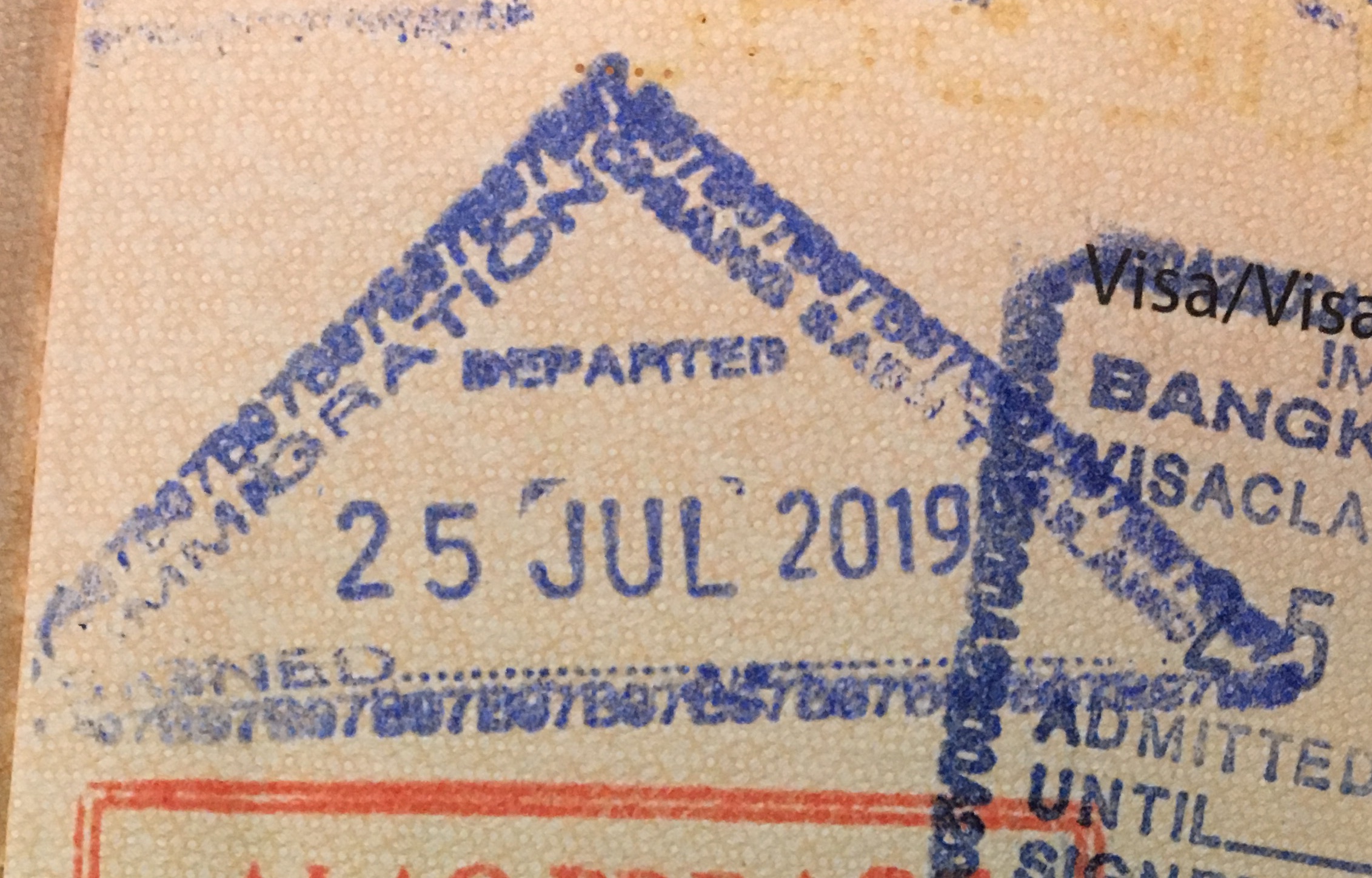
The update clarifies that Hardy's criminal conviction was directly tied to the discovery of "fake immigration stamps" in his passport. Rather than a simple administrative issue, the use of forged official documents triggered a severe criminal penalty.
What This Means for You

Hardy's ongoing story is a stark reminder of Thailand's strict approach toward immigration fraud. While some tourists mistakenly view visa agents as a convenient workaround for complex rules, the legal liability for any fraudulent document ultimately falls on the passport holder.
- Avoid "stamp-only" services: It is highly advisable to avoid any agent who promises to secure an extension or entry stamp without your physical presence at a Thai Immigration office or an official border checkpoint.
- Verify your stamps: Always ensure any stamp in your passport is legitimate and obtained through official channels.
- Understand the risks: Presenting a passport with forged stamps is treated as a serious criminal offense in Thailand. As seen in Hardy's case, it can result in significant prison time.
Join the conversation
Be the first to comment — real questions from people navigating the same rules. Comments are moderated.