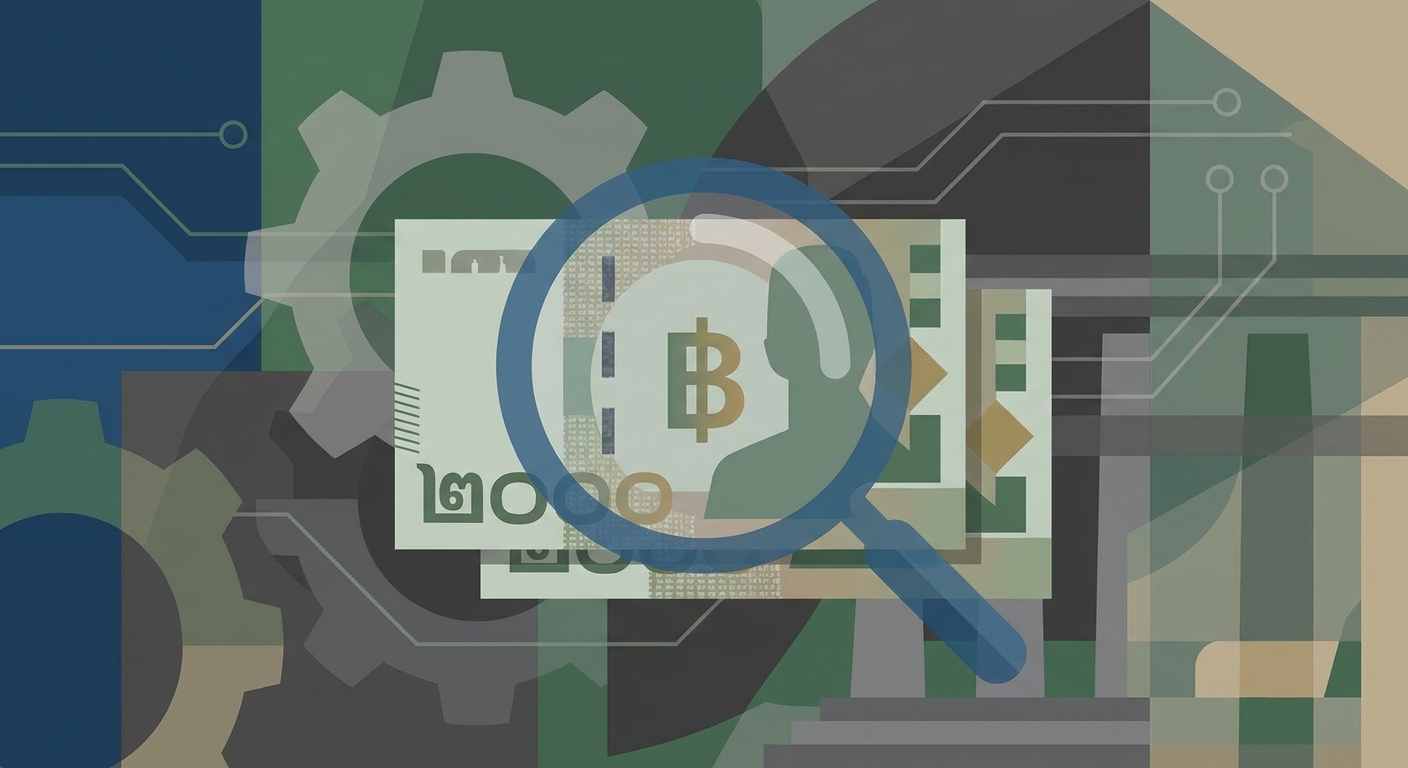
The Bank of Thailand is rolling out a new mandatory disclosure rule for anyone depositing more than 5 million baht in physical cash. Set to take effect this October, the measure is part of a broader crackdown on the "grey economy" and illicit financial flows.
According to the Bangkok Post, the central bank chief confirmed the upcoming requirement, which will add a layer of scrutiny to large, physical currency transactions. Thai-language outlet Matichon reports that the Bank of Thailand is also in talks with the Securities and Exchange Commission (SEC) to close loopholes related to transferring funds via the cryptocurrency Tether (USDT).
What this means for you
For the vast majority of expats living and working in Thailand, this October rule change will have little day-to-day impact. Most large legitimate transactions—such as buying a condo, purchasing a vehicle, or transferring retirement funds—are already handled via electronic bank transfers or international wire services. These digital transfers leave a clear paper trail and are exempt from this specific physical cash rule.
However, if you are dealing with large sums of physical currency, you will need to prepare for extra paperwork.
- Property buyers: Ensure your funds are wired directly from overseas into a Thai bank account to easily obtain a Foreign Exchange Transaction (FET) form. Avoid bringing in or depositing massive amounts of physical cash.
- Crypto users: Be aware that regulators are actively looking at stablecoin (USDT) off-ramps. Expect tighter Know Your Customer (KYC) checks at local crypto exchanges.
Border checks: Proof of funds reminder
In a separate but related push for financial compliance, the Tourism Authority of Thailand (TAT) issued a formal reminder on July 6 that foreign visitors must be prepared to show proof of sufficient funds when entering the country.
While this is a longstanding immigration rule rather than a new law, the official TAT Newsroom statement notes that travelers should "keep evidence of sufficient funds ready for possible immigration screening."
If you are entering on a tourist visa or visa exemption, immigration officers can legally ask to see 20,000 baht in cash (or equivalent in foreign currency) per person, or 40,000 baht per family. Having this ready—in physical cash, as bank statements are often rejected at the border—remains the safest way to ensure smooth entry.
Join the conversation
Be the first to comment — real questions from people navigating the same rules. Comments are moderated.